December 26, 2025
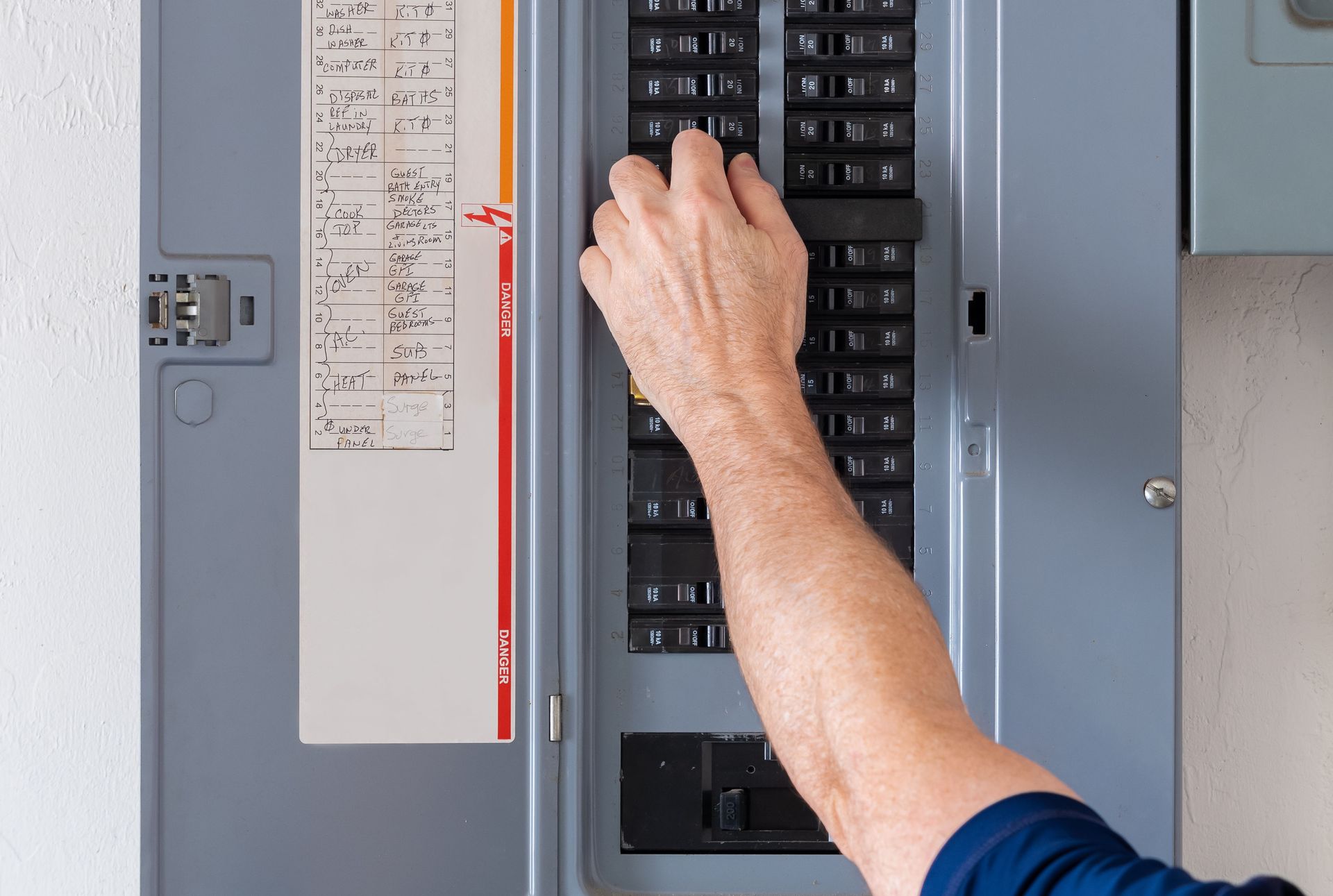
Tripped breakers are one of the most common electrical disruptions affecting homes and commercial properties. While a single trip may seem minor, repeated interruptions often signal underlying electrical concerns that should not be ignored. A qualified circuit breaker repair service evaluates these events as warning signs designed to protect wiring, equipment, and occupants from overheating or electrical faults. Recognizing what causes breakers to trip supports safer electrical performance and helps property owners make informed decisions. With that foundation in mind, the sections below explain the most frequent reasons breakers trip and how professional electrical care addresses them.
Explaining Circuit Overloads and Capacity Limits
Circuit overloads occur when more electrical demand is placed on a circuit than it was designed to handle. This often happens when multiple appliances or systems draw power simultaneously on the same line. Every circuit has a defined amp capacity, and exceeding that limit causes the breaker to trip as a safety response. A circuit breaker service frequently finds overloads in properties where electrical usage has increased without panel or wiring updates. Understanding load limits is essential for maintaining system stability.
Identifying Warning Signs of Overloaded Circuits
Several indicators suggest a circuit is overloaded, including flickering lights, warm outlets, buzzing sounds, or a faint burning odor. These symptoms show that wiring is under stress and generating excess heat. Breakers trip to prevent insulation damage or fire hazards. When these signs appear regularly, a circuit breaker repair service can evaluate whether wiring, circuits, or panel capacity aligns with current electrical demands.
Reducing the Risk of Repeated Overloads
Reducing overload risks involves balancing electrical loads across available circuits and ensuring systems are properly designed for usage needs. Commercial environments and modern households often require updated circuit distribution to support lighting, wiring, and specialty electrical services. Professional electrical repair services assess usage patterns and identify solutions that improve performance without compromising safety. Proactive planning limits disruptions and protects connected systems.
Addressing Persistent Overloads Professionally
Business breaker trips tied to overloads warrant professional assessment. Electricians examine panels, wiring paths, and circuit distribution to pinpoint capacity mismatches. In many cases, adjustments or upgrades restore reliable operation. A circuit breaker repair buinsess ensures corrections meet current electrical standards while supporting long-term safety and efficiency.
Defining Short Circuits and Their Impact
Short circuits develop when electricity travels along an unintended path, often due to damaged insulation or exposed wiring. This sudden surge of current creates excessive heat and can cause sparks or fire risks. Breakers immediately trip to stop the power flow when a short circuit occurs. Because of the hazards involved, short circuits are among the most urgent issues addressed by a circuit breaker repair service.
Recognizing Symptoms of Short Circuits
Signs of a short circuit include sparks, popping sounds, smoke, or a breaker that trips instantly after resetting. These symptoms indicate a serious electrical fault that requires immediate attention. Ignoring these warnings increases the likelihood of property damage or injury. Prompt evaluation by a circuit breaker repair service helps locate damaged wiring and restore safe operation.
Repairing Short Circuit Conditions Safely
Correcting short circuits typically involves repairing or replacing damaged wires, outlets, or connections. In some cases, sections of wiring must be replaced entirely to ensure safety. Electrical repair services follow strict procedures to confirm that corrected circuits function properly under load. Thorough repairs reduce future risks and restore dependable power delivery.
Understanding Ground Faults and Electrical Safety
Ground faults happen when electrical current escapes its intended path and flows toward a grounded surface. This condition increases the risk of electrical shock, particularly in areas exposed to moisture. Breakers trip quickly to prevent injury when ground faults occur. A circuit breaker repair service often encounters these issues in kitchens, bathrooms, and commercial spaces where wiring endures higher exposure.
Preventing Ground Fault Hazards
Moisture intrusion, worn insulation, and damaged appliances are common contributors to ground faults. Regular inspections and proper wiring methods significantly reduce risk. Ground fault protection devices play a major role in safeguarding occupants and equipment. According to Future Market Insights, the low voltage segment is expected to represent nearly half of the circuit breaker market revenue in 2025, driven by widespread use across residential, commercial, and light industrial environments where safety protection is critical.
Evaluating Arc Fault Risks
Arc faults occur when electrical current jumps across loose or damaged connections instead of flowing smoothly through conductors. These arcs generate high temperatures that can ignite surrounding materials. Because arc faults are not always obvious, they pose a hidden fire risk. Circuit protection devices are designed to detect these irregular patterns and shut off power before damage occurs.
Correcting Wiring Issues That Lead to Arc Faults
Loose terminals, aging wiring, or improper installation methods frequently contribute to arc faults. Electrical inspections identify these vulnerabilities and allow for targeted corrections. Securing connections, replacing damaged conductors, and verifying proper installation standards significantly reduce arc fault risks. These measures are commonly addressed during circuit breaker repair service evaluations.
Addressing Outdated Wiring Systems
Older wiring systems often struggle to support modern electrical usage. Materials and configurations from past decades may lack grounding or adequate insulation. Warning signs include frequent breaker trips, inconsistent power, or visible wire deterioration. Electrical repair services assess whether existing systems can safely support current demands or if updates are recommended.
Improving Safety Through Wiring Updates
Upgrading outdated wiring enhances safety, efficiency, and reliability. Improvements may include replacing older conductors, adding circuits, or modernizing panels. These updates help prevent overloads, shorts, and arc faults while supporting current lighting and wiring requirements. Professional electrical services ensure upgrades align with applicable codes and usage needs.
Correcting Improper Electrical Installations
Improper installations are a common cause of breaker trips and electrical failures. Errors such as undersized wiring, loose connections, or missing protective components compromise system performance. These issues may go unnoticed until breakers begin tripping regularly. A circuit breaker repair service identifies installation flaws and applies corrections that restore safe operation.
Recognizing the Value of Professional Electrical Care
Electrical systems are complex and demand precise installation and maintenance. Licensed electricians understand code requirements and system interactions that affect safety. Professional electrical repair services provide thorough inspections, accurate diagnostics, and reliable solutions that protect property and occupants. Long-term system health depends on proper evaluation and correction.
Supporting Long-Term Electrical Reliability Through Inspections
Routine electrical inspections play a critical role in preventing unexpected breaker trips and system disruptions. Inspections allow electricians to identify early signs of wear, loose connections, and load imbalances before they escalate into larger issues. Residential and commercial properties both benefit from scheduled evaluations that review panels, wiring pathways, and protective devices. A circuit breaker repair service uses these inspections to confirm systems are aligned with current usage demands and safety expectations. Ongoing evaluations help extend equipment lifespan, reduce downtime, and support consistent electrical performance across lighting, wiring, and specialty electrical services.
Tripped breakers are more than an inconvenience. They are indicators of electrical conditions that deserve attention. Addressing overloads, short circuits, ground faults, arc faults, and outdated wiring improves safety and system reliability. For property owners seeking dependable solutions, Comiskey Electric LLC offers experienced electrical repair services backed by thorough assessments and professional care. We encourage scheduling an evaluation to ensure your electrical system operates safely and efficiently for years ahead.