March 3, 2026
Upgrading or replacing a ceiling fan may seem like a simple home improvement project, but there is more involved than just swapping out fixtures. From electrical compatibility and mounting requirements to energy efficiency considerations, a professional approach makes a noticeable difference. Whether your current fan is outdated, noisy, or no longer functioning properly, working with a qualified team can help you achieve better performance, improved comfort, and a refreshed look for your space.
Ceiling fans remain one of the most popular and practical upgrades for residential properties. According to Imarc, the residential ceiling fan market leads with around 69.8% of market share in 2024. This statistic highlights how common these fixtures are in homes and how important proper installation and replacement services can be. In this article, we'll explore how a ceiling fan installation company manages upgrades and replacements from start to finish.
Evaluating the Existing Setup
Before any upgrade or replacement begins, a thorough evaluation is essential. A professional ceiling fan installation company will first assess the current fixture, wiring, and mounting support. This step determines whether the existing electrical box is rated for a ceiling fan and whether the wiring meets modern safety standards.
Older homes may have light fixture boxes that are not designed to support the weight and movement of a ceiling fan. If that is the case, the installer will recommend replacing the box with a fan-rated support system. They may also inspect wall switches, remote controls, and circuit capacity to confirm compatibility with a new unit.
This evaluation phase ensures that the replacement process is safe and compliant with building codes. It also allows homeowners to address hidden issues before installing a new fixture.
Recommending Modern Upgrade Options
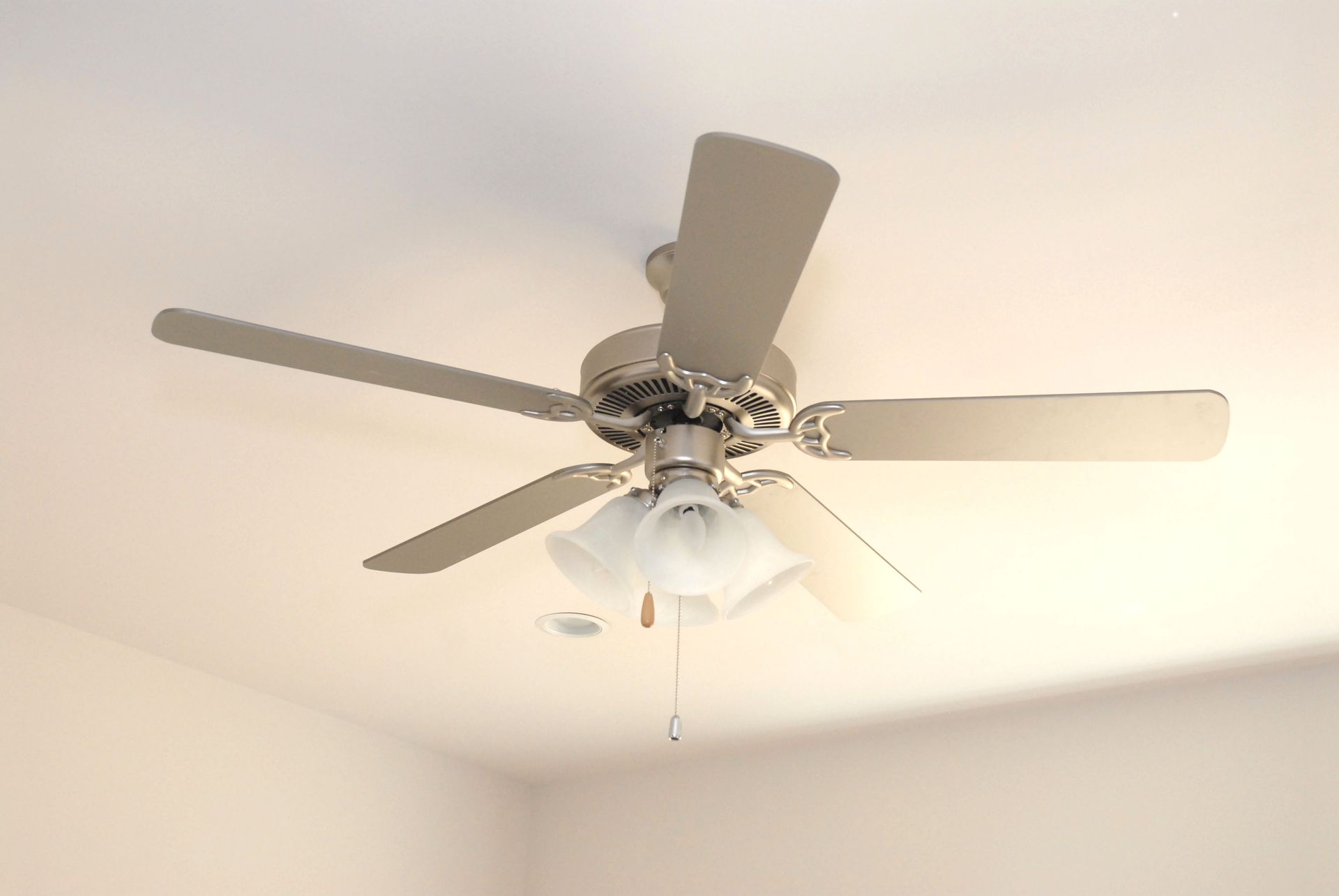
Once the existing setup has been reviewed, the next step involves choosing the right replacement or upgrade. Ceiling fan technology has advanced significantly in recent years. Today's models offer improved energy efficiency, integrated LED lighting, remote controls, smart home connectivity, and quieter motors.
A ceiling fan installation company typically guides homeowners through selecting a fan that matches both functional needs and design preferences. Factors such as room size, ceiling height, airflow rating, and style all play a role in choosing the right unit.
For example, larger rooms may require fans with longer blade spans and higher cubic feet per minute (CFM) airflow ratings. Rooms with low ceilings may benefit from flush-mount designs, while vaulted ceilings often require extension downrods for proper placement. This recommendation stage helps ensure that the new ceiling fan delivers both performance and aesthetic value.
Removing the Old Ceiling Fan Safely
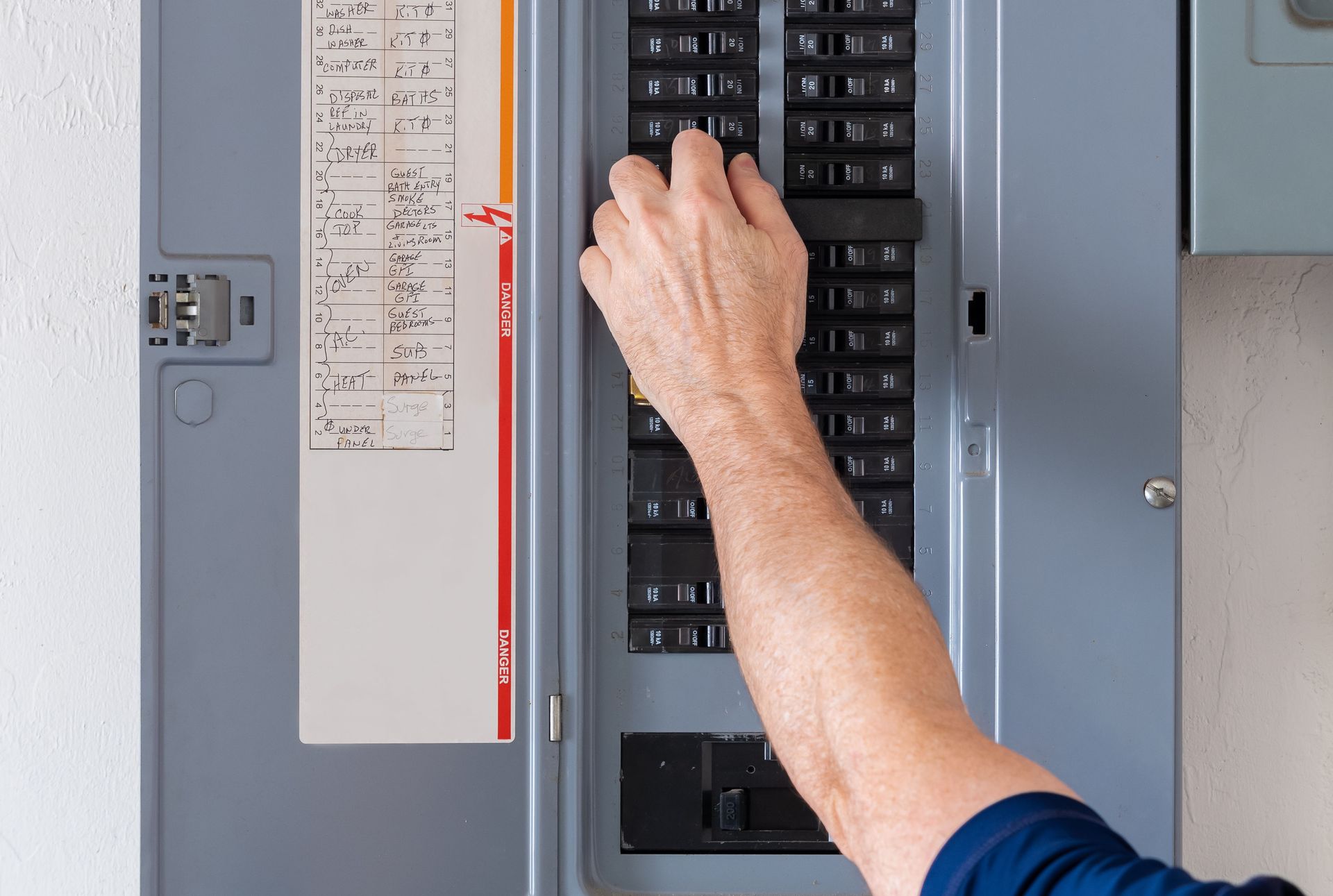
The removal process is more involved than simply unscrewing the old fixture. Safety is the top priority. Professionals begin by turning off the power at the circuit breaker and verifying that no electrical current is present.
The installer will then carefully disconnect wiring connections, support the fan while detaching it from the mounting bracket, and remove any additional components such as light kits or remote receivers. Proper removal prevents damage to the ceiling and surrounding drywall.
If the previous fan was improperly installed or loosely secured, the technician may need to reinforce the mounting area before proceeding. This step is critical to prevent wobbling or structural issues with the new fan.
Upgrading Electrical Components
In some cases, replacing a ceiling fan involves upgrading electrical components. Older wiring may not be compatible with newer fan features such as variable speed controls or integrated lighting systems.
A ceiling fan installation company may install new wall switches, add support braces, or replace outdated wiring connections to meet modern standards. If the fan includes smart home functionality, the installer may also configure Wi-Fi connectivity or pair the unit with a mobile app.
Upgrading electrical components not only improves performance but also enhances safety. Secure wiring and properly rated boxes reduce the risk of overheating or electrical hazards.
Installing the New Ceiling Fan
The installation phase requires precision and attention to detail. The installer begins by mounting the new bracket securely to the fan-rated electrical box. If a downrod is required, it is carefully assembled to achieve the correct hanging height.
Next, wiring connections are made according to manufacturer's instructions and local electrical codes. Once the wiring is secured, the fan motor housing is attached to the mounting bracket. Blades are then installed evenly to maintain balance.
Balancing the fan is a key part of the process. Even slight imbalances can cause wobbling or noise. Installers use specialized techniques and balancing kits to ensure smooth operation.
The final steps include attaching light kits, installing bulbs, and testing all functions. The fan is run at multiple speeds to confirm proper performance and airflow.
Testing Performance and Ensuring Stability
After installation, comprehensive testing is conducted. The technician checks for secure mounting, stable rotation, and smooth motor operation. They also confirm that switches, remotes, and smart controls are functioning correctly.
Proper testing helps identify potential issues before the job is considered complete. If the fan produces unusual sounds or vibrations, adjustments can be made immediately.
A reputable ceiling fan installation company will not leave until the unit operates quietly, efficiently, and safely. This attention to detail ensures long-term reliability.
Enhancing Energy Efficiency and Comfort
One of the main reasons homeowners upgrade ceiling fans is to improve energy efficiency. Modern fans are designed to circulate air more effectively, reducing reliance on heating and cooling systems.
In warmer months, ceiling fans create a wind-chill effect that allows occupants to raise thermostat settings while maintaining comfort. During cooler months, reversing the fan's direction helps redistribute warm air that collects near the ceiling.
By recommending energy-efficient models, a ceiling fan installation company helps homeowners lower utility costs while maintaining indoor comfort.
Addressing Common Replacement Challenges
Every installation project comes with unique challenges. High ceilings, limited attic access, outdated wiring, or unusual room layouts can complicate replacements.
Professional installers are trained to handle these situations. For high ceilings, they may use extension poles and specialized equipment. For complex wiring configurations, they troubleshoot connections carefully to avoid damage. Addressing these challenges correctly prevents long-term issues such as flickering lights, fan wobble, or electrical inconsistencies.
Providing Guidance on Maintenance and Care
Once the new ceiling fan is installed, ongoing maintenance plays a role in preserving its performance. Installers often provide guidance on cleaning blades, tightening screws periodically, and checking for dust buildup.
Regular maintenance helps extend the lifespan of the fan and maintain optimal airflow. It also prevents unnecessary strain on the motor. A knowledgeable ceiling fan installation company may also offer service support if adjustments or repairs are needed in the future.
Upgrading or replacing a ceiling fan involves much more than switching out a fixture. From evaluating the existing setup and recommending modern options to upgrading electrical components and testing performance, each step requires skill and attention to detail. Proper installation improves safety, enhances comfort, and maximizes energy efficiency.
With ceiling fans continuing to dominate the residential market, homeowners benefit from working with experienced professionals who understand both technology and installation standards. A qualified ceiling fan installation company brings expertise, precision, and peace of mind to every project.
If you're considering upgrading or replacing a ceiling fan in your home, contact Comiskey Electric LLC today to schedule a consultation and enjoy improved comfort, efficiency, and style.